Practical Advice
Getting Ready for Your First Professional Photo Shoot: Outfits, Stress, Posture, Expectations
In brief
Your first professional photoshoot can be intimidating. The good news is you don't need to be a posing expert to have a great session. The key is understanding its purpose, feeling authentic, and letting your body relax.
The first professional photo shoot makes almost everyone feel a little intimidated. Even people who are very comfortable in daily life tell me before a session: "I don't know how to pose," "I feel awkward in photos," "I don't know what to wear," "I just hope to get two decent images." And that's precisely why I wanted to write this article. Because a first shoot shouldn't feel like an ordeal. It should feel like a well-prepared encounter.
What matters most isn't the perfect pose
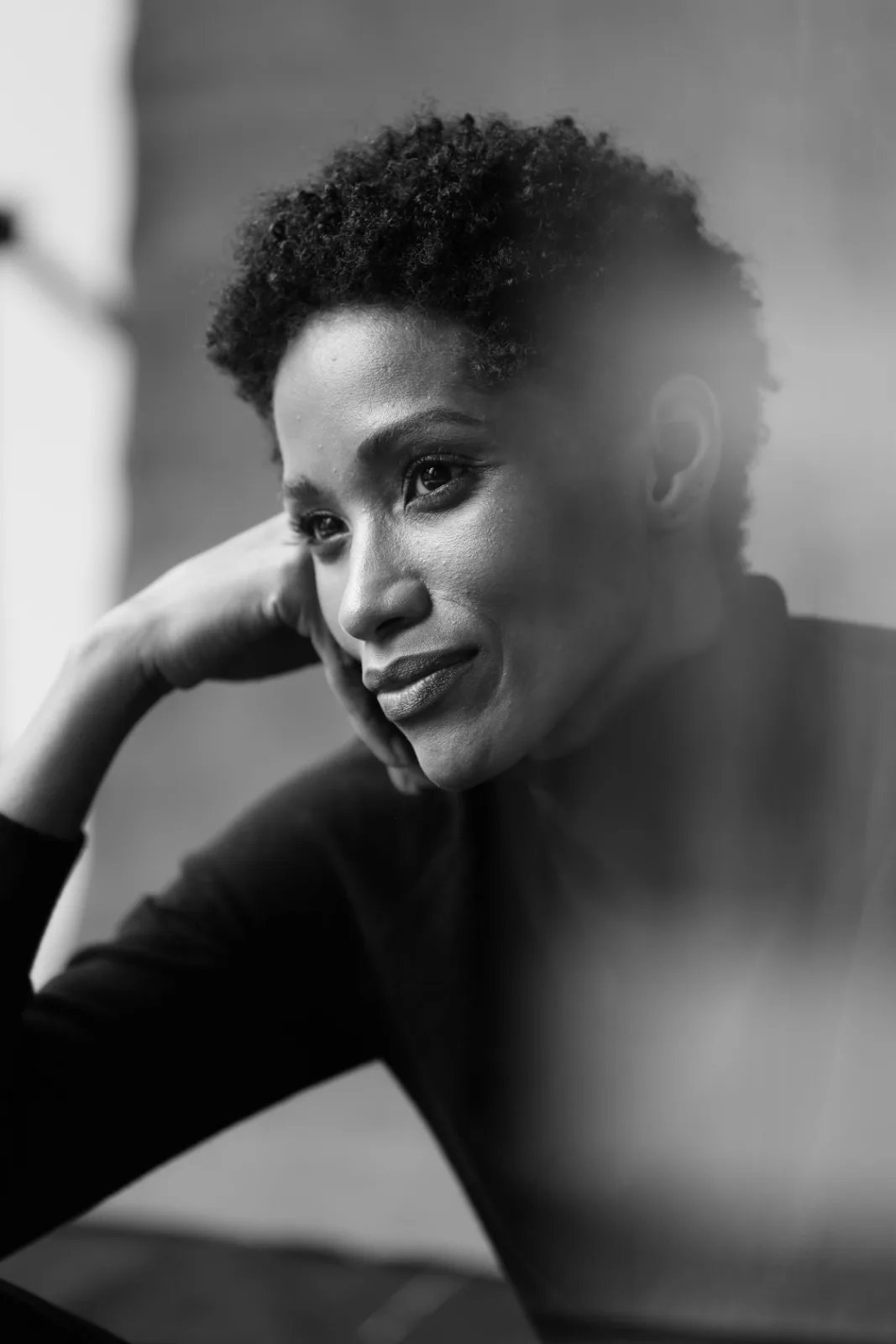
The first thing I'd like to demystify is posing. You don't need to arrive with a catalog of arm positions and chin angles. My job isn't to wait for you to know what to do in front of the camera. My job is to guide you, observe, adjust, and create a rhythm that helps you find your presence. What I'm looking for isn't rigid perfection. It's authenticity. This is the whole spirit I describe in behind the scenes of a professional photoshoot.
Before we even talk about clothes, ask yourself a real question: what will these images be used for? A LinkedIn portrait doesn't have the same energy as an editorial portrait. A series for your website doesn't have the same feel as a fashion lookbook. Images for the press, for a launch, for an independent activity, or for an intimate keepsake don't call for the same choices. When the purpose is clear, many anxieties suddenly fall away.
Choosing your clothes well without trying to be someone else
Materials, cuts, colors
For clothing, my most important advice is simple: don't dress up to become "photogenic." Choose pieces in which you recognize yourself, but a slightly sharper, more thoughtful, more cohesive version. A beautiful material, a just cut, confident shoes, an outfit you truly inhabit, this matters much more than a complicated outfit bought in a hurry and worn unnaturally.
I generally recommend two or three silhouettes maximum, not ten. One strong outfit, one simpler outfit, possibly a variation. Too many options are tiring. They also scatter energy. I prefer to feel that we've chosen a somewhat clear universe rather than piling contradictory identities into the same session. For inspiration, you can prepare a moodboard on Pinterest or test a consistent palette with Adobe Color.
Mistakes that complicate shooting
On the technical side, there are still some useful details to know. Very fine micro-patterns, certain tight stripes, or very regular weaves can create moiré, that slightly strange interference effect that appears when a pattern conflicts with the sensor. It's not systematic, but it's a very good reason to be wary of certain visually busy shirts or jackets, as Nikon explains well in its article on moiré and false color. Very visible logos, slogans, and clothes that tell a story other than yours can also distract attention.
How to arrive less stressed
As for stress, I don't really believe in grand speeches like "just be natural." When we are observed, we don't become natural simply because we are told to. However, we can create good conditions. Arrive a little early. Don't rush in. Drink water. Plan a breathing space between two appointments. Sleep well the night before if possible. Listen to music on the way. Avoid turning the session into a self-esteem test day.
I also insist on a point that many people underestimate: the first few minutes are often for settling in. It's not a failure if you don't immediately like yourself in the first images. It's very normal. The body needs time to adjust, much like the gaze. Often, from the moment the person stops monitoring themselves second by second, something opens up.
Natural posture is not a frozen posture
Breathe, move, inhabit your body
Natural posture, by the way, doesn't mean immobility. On the contrary. The best images often come when tiny movements are introduced. Shifting weight from one foot to the other. Walking slowly. Turning a shoulder. Adjusting a sleeve. Looking into the distance and then returning. Exhaling. Loosening hands. Raising and then lowering the chin by a few millimeters. These are very small things, but they greatly change the feeling of an image.
I almost always prefer to talk about momentum rather than posture. A frozen posture quickly makes a photo that feels forced. A momentum, however subtle, makes a photo that feels lived. That's why I rarely guide with purely mechanical instructions. I will instead look for a state: calmer, more candid, more grounded, softer, more assertive. The body often understands this better than overly rigid instructions.
What to expect from a pro shoot, and what not to fantasize about
As for expectations, I'd like to make them both more realistic and more beautiful. No, not all images will be your favorites. And that's normal. A successful session isn't a gallery of 100 perfect photos. It's a coherent series where you recognize yourself, with a few strong images that stay with you for a long time. Sometimes, just one authentic image already changes a lot in how you present yourself. You can see this directly in the Portrait portfolio.
How to turn this session into a valuable experience
Finally, there's one last idea I hold dear: a professional shoot isn't just about "getting photos." It can also help you clarify your image. To see what you genuinely project. To understand what you want to show, and what you no longer want to show. It's a visual experience, yes, but also a positioning experience. You can also think of it as a gift, as I describe in Offering a Photo Session: The Gift That Creates Memories.
If this is your first time, don't try to succeed at the session as you would an oral exam. Instead, try to enter it with sincerity, with a little preparation, and with permission to be guided. This is often when the images become authentic. Not when you master everything, but when you finally accept to inhabit the moment.
If you're preparing for your first session and need a reassuring framework, I will always take the time to guide you even before the first photo, through my photography services.
Frequently Asked Questions
What should I wear for a first professional photo shoot?
Clothes in which you recognize yourself, with appropriate cuts, pleasant materials, and overall coherence.
How can I be natural in front of a photographer?
By accepting guidance, moving slightly, and not trying to control every detail of your face.
Should I avoid patterns for a photo session?
Very fine and repetitive patterns can be problematic. Larger or more deliberate patterns can work very well.
What should I do if I am very stressed before the session?
Allow enough time, drink water, arrive without rushing, clarify the objective of the images, and accept that the first few minutes are a warm-up.
How many outfits should I plan?
Generally, two or three well-chosen silhouettes are more than enough.